


Content Marketing Trends Shaping the Future of Brands: How to Leverage AI, Personalization, and Video for Growth
Artificial intelligence–powered personalization, immersive interactive formats, and short-form video at scale define the content marketing trends to watch for brands that want measurable growth. Small and medium-sized local businesses often struggle to keep pace with rapidly evolving digital channels, audience expectations, and analytics demands. This guide delivers actionable insights on emerging trends—AI automation, hyper-personalization, interactive experiences, video dominance, influencer and user-generated content, and advanced SEO—and shows how ConnectBoost can help leverage these trends through integrated digital marketing services.
In the sections that follow, you’ll discover:
- What today’s top content marketing trends are and why they matter
- How AI drives creation, personalization, and analytics
- Effective strategies for dynamic, data-driven personalization
- Ways to engage audiences with immersive interactive content
- Best practices for short-form, live, and shoppable video
- Building trust with user-generated content and influencers
- Evolving SEO tactics to support future content discovery
- Practical steps to integrate trends, measure performance, and partner with ConnectBoost
By the end, you’ll have a roadmap to transform your content approach into a growth engine for your brand and local community.
What Are the Top Content Marketing Trends Transforming Brands Today?
Content marketing trends encompass emerging strategies and technologies shaping how brands connect with audiences. These trends transform storytelling by leveraging automation, personalized messaging, and multimedia to boost engagement and conversions.
Below is a comparison of the five key trends driving brand growth:
This overview highlights how AI, personalization, interactivity, video, and local focus work together to propel brands forward. For a full suite of integrated services that implement these trends, explore ConnectBoost’s Digital Marketing Services tailored for growing businesses.
How Is Artificial Intelligence Revolutionizing Content Marketing?

Artificial Intelligence revolutionizes content marketing by automating ideation, drafting, and optimization tasks to deliver highly relevant content at scale. AI tools analyze audience behavior, suggest topics, and refine copy to match search intent, reducing manual workload while improving quality.
Brands using AI can:
- Automate keyword research and topic clustering
- Generate drafts and multimedia captions in seconds
- Personalize headlines and calls to action based on user data
This AI-driven efficiency frees teams to focus on strategy and creative refinement, setting the stage for advanced personalization techniques.
Why Is Personalized Content Strategy Essential for Brand Success?
Personalized content strategy delivers tailored messages based on individual preferences, browsing history, and purchase behavior. By leveraging first-party data and AI segmentation, brands increase relevance and trust, leading to higher click-through rates and repeat business.
Personalization benefits include:
- 30% higher open rates for customized emails
- 20% increase in average order value from dynamic recommendations
- Deeper customer loyalty through relevant experiences
Adopting personalization as a core practice creates meaningful connections that scale as your data ecosystem grows.
What Role Does Interactive Content Play in Engaging Audiences?
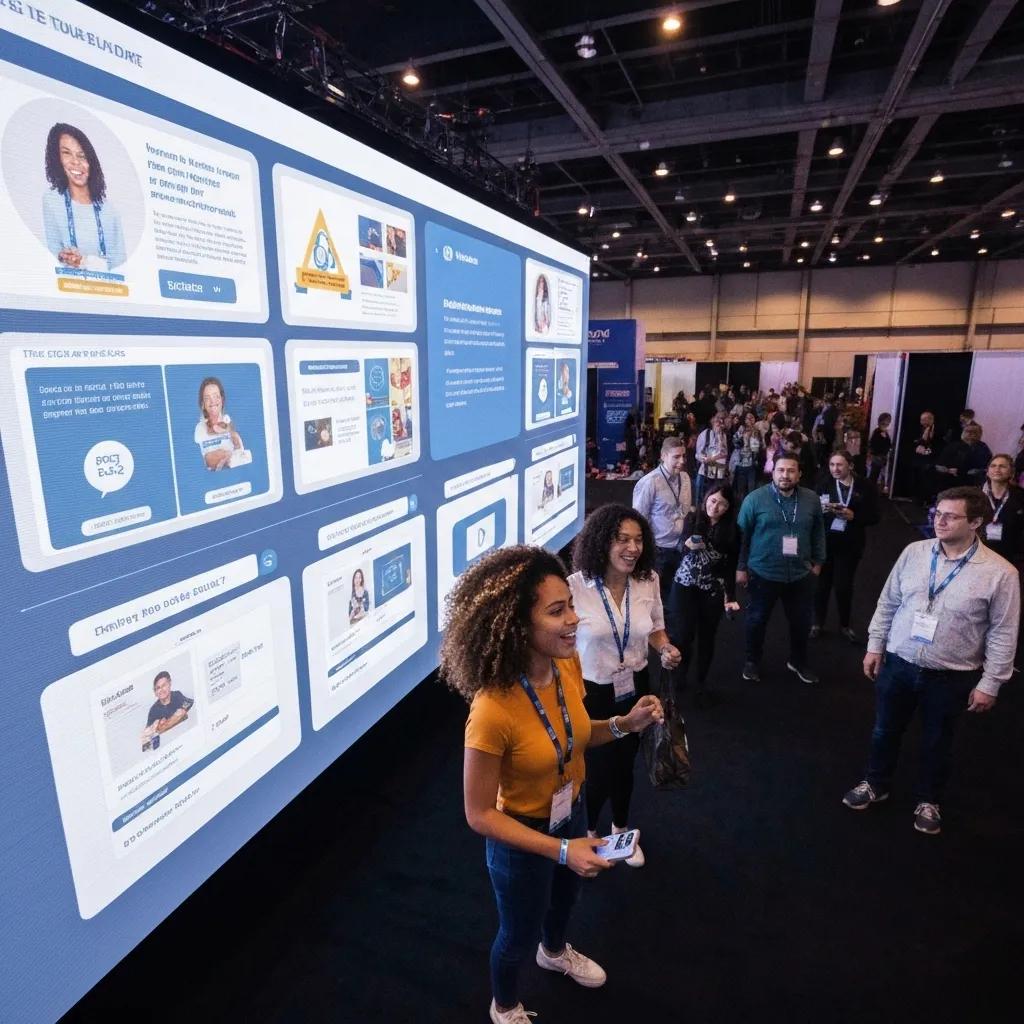
Interactive content—quizzes, polls, calculators, assessments—captures attention by inviting user participation. These formats collect valuable insights while providing personalized results, driving deeper engagement and longer session durations.
Key advantages of interactive formats:
- Increased dwell time through active involvement
- Rich data capture for segmentation and follow-up
- Enhanced shareability and social media amplification
Interactive Content Ideas That Will Engage Your Audience
Interactive content, such as quizzes and polls, has emerged as a cutting-edge tool in the arsenal of digital marketers aimed at heightening audience engagement. Interactive content generates 52.6% higher engagement rates than content that is static.
Storyly, (2024)
This research supports the article’s claim that interactive content is effective in boosting audience engagement and conversions.
By blending entertainment and education, interactive content establishes stronger brand recall and actionable lead generation.
How Are Video Content Marketing Trends Driving Consumer Attention?
Video content marketing dominates with formats like TikTok-style clips, Instagram Reels, and live streams that meet audiences on preferred platforms. Whether vertical short-form or long-form tutorials, video conveys emotion, builds authenticity, and encourages social engagement.
Brands leveraging video see:
- 82% of all internet traffic projected as video by 2025
- 54% of consumers wanting more video from brands
- Higher conversion rates when embedding product demos
57 Video Marketing Statistics You Should Know
Video ads have an average click-through rate (CTR) of 1.84%, the highest among all digital ad formats. 96% of marketers have said that video has helped their customers understand a service or product.
Content Beta, (2025)
This citation supports the article’s discussion of video marketing and its effectiveness in driving engagement and conversions.
Incorporating video strategy is now critical to capturing fleeting attention and fostering conversions.
How Can Local Businesses Apply These Emerging Content Marketing Trends?
Local businesses can adapt global trends by focusing on community interests and location-based targeting. Restaurants can use AI to generate personalized menu recommendations, fitness studios can host live-streamed workouts, and real estate agents can create interactive neighborhood quizzes.
Examples of local adaptation include:
- Geo-targeted social ads for personalized promotions
- Virtual tours and shoppable video for showroom experiences
- AI-powered chatbots providing local recommendations
Linking trend execution to customer behavior drives neighborhood awareness and in-store visits, reinforcing local brand authority.
How Does AI Enhance Content Creation, Personalization, and Analytics?
AI enhances content marketing by integrating automation, data-driven personalization, and deep analytics into every stage of the content lifecycle. It streamlines ideation, optimizes targeting, and surfaces actionable insights to refine strategy.
What Are the Leading AI Tools for Efficient Content Creation?
AI content generation tools—such as GPT-powered platforms, natural language processing suites, and topic research assistants—accelerate creation by producing outlines, drafts, and social captions in minutes.
Popular AI content tools:
- Automated topic suggestion engines
- AI-driven writing assistants for syntax refinement
- Multimedia caption and translation generators
These tools reduce production time by up to 70%, enabling marketers to publish more content without sacrificing quality.
How Does AI Enable Hyper-Personalization in Content Delivery?
AI supports hyper-personalization by analyzing real-time behavior, demographics, and purchase history to tailor each interaction. Machine learning models segment audiences into micro-cohorts and deliver dynamic content across email, web, and social channels.
Techniques for AI-driven personalization:
- Predictive recommendation engines
- Dynamic content blocks on websites and emails
- Real-time ad creative optimization
Hyper-personalization fosters deeper engagement by serving the right message at the right moment.
In What Ways Does AI Improve Content Performance Through Analytics?
AI analytics platforms process large datasets from SEO, social, and CRM systems to identify high-impact topics, optimal posting times, and performance anomalies. Natural language understanding uncovers sentiment, intent, and emerging trends faster than manual analysis.
Analytics enhancements include:
- Automated content scoring based on engagement metrics
- Predictive insights for trending keywords and topics
- AI-powered A/B testing for headlines and visuals
Data-driven adjustments ensure continuous improvement in content ROI.
How Can Small and Medium Businesses Benefit from AI-Driven Content?
SMBs benefit from AI by gaining enterprise-level efficiency without extensive teams or budgets. Affordable AI subscriptions allow local brands to automate routine tasks, personalize communications, and measure success with dashboards.
Advantages for SMBs:
- Faster content pipelines with fewer resources
- Personalized experiences that rival larger competitors
- Actionable performance insights to guide budget allocation
By partnering with an agency skilled in AI integration, local businesses unlock growth opportunities through intelligent content strategies.
What Are Effective Personalized Content Strategies for Modern Brands?
Personalized content strategies combine customer data, dynamic delivery, and contextual messaging to elevate engagement and conversions across channels.
How Does Data-Driven Personalization Improve Customer Engagement?
Data-driven personalization uses customer attributes—purchase history, browsing patterns, demographics—to segment audiences and customize touchpoints. This approach boosts engagement by aligning messaging with individual needs and behaviors.
Core data-driven tactics:
- Segmenting email lists by lifecycle stage
- Triggered workflows based on user actions
- Customized landing pages for ad campaigns
By continuously refining segments, brands maintain relevance and foster stronger relationships.
What Is Dynamic Content Delivery and How Does It Work?
Dynamic content delivery adapts website or email elements in real time based on user data and context. Content blocks, headlines, images, and CTAs change dynamically to reflect personal preferences or browsing history.
Key components of dynamic content:
- Server-side rendering for personalized pages
- JavaScript widgets that swap content blocks
- API-driven personalization engines
Dynamic delivery ensures each visitor sees the most compelling, relevant content instantly.
How Can Local Businesses Implement Personalized Content Successfully?
Local businesses can implement personalization by collecting opt-in data, using CRM integrations, and setting up location-aware triggers. For instance, a restaurant can offer dinner specials via SMS when customers are nearby, and retailers can email birthday discounts.
Steps for local personalization:
- Gather preferences through surveys and loyalty programs
- Map customer journey touchpoints for targeted messaging
- Leverage location data for contextual offers
Executing these tactics builds community loyalty and drives repeat visits.
What Are Common Challenges and Solutions in Personalization?
Personalization challenges include data privacy concerns, integration complexity, and content fragmentation across platforms. Address these by centralizing data in a unified customer profile, choosing privacy-compliant tools, and establishing governance for consistent content taxonomy.
Solutions overview:
- Implement GDPR/CCPA-compliant data policies
- Use integrative platforms for seamless data flow
- Develop content standards to maintain brand consistency
By proactively managing these challenges, brands ensure effective and ethical personalization.
How Can Interactive and Immersive Content Boost Brand Engagement?
Interactive and immersive formats such as AR filters, VR showrooms, and gamified experiences deepen audience participation and brand recall.
What Types of Interactive Content Drive Higher Conversions?
Interactive assets—quizzes, polls, calculators—encourage users to actively engage, providing tailored feedback in exchange for contact information.
Popular interactive formats:
- Quizzes that assess preferences and recommend products
- Calculators that estimate ROI or savings in real time
- Polls that solicit user opinions for brand research
Interactive Content Ideas That Will Engage Your Audience
Interactive content, such as quizzes and polls, has emerged as a cutting-edge tool in the arsenal of digital marketers aimed at heightening audience engagement. Interactive content generates 52.6% higher engagement rates than content that is static.
Storyly, (2024)
This research supports the article’s claim that interactive content is effective in boosting audience engagement and conversions.
How Are Augmented Reality (AR) and Virtual Reality (VR) Changing Marketing?
AR and VR create immersive brand experiences by overlaying digital elements in real environments or transporting users to virtual showrooms. These technologies enable interactive product demos and virtual tours that bridge online and offline interactions.
AR/VR benefits include:
- Higher engagement through experiential storytelling
- Enhanced product understanding and confidence
- Memorable brand impressions driving social sharing
Adopting AR/VR positions brands at the forefront of experiential marketing.
What Is Gamification and How Does It Enhance User Experience?
Gamification applies game mechanics—points, badges, leaderboards—to non-game contexts, motivating users through rewards and competition. This approach transforms routine actions (like reading content) into interactive journeys.
Gamification strategies:
- Rewarding content consumption with digital badges
- Creating challenges that unlock exclusive offers
- Implementing social leaderboards for community interaction
When executed thoughtfully, gamification boosts time on site and loyalty.
How Can Brands Integrate Interactive Content into Their Marketing Mix?
Integrate interactive content by aligning formats with campaign goals and customer stages. Embed quizzes on landing pages, promote AR filters on social channels, and feature calculators in email nurturing sequences.
Integration checklist:
- Define interactive content objectives and KPIs
- Choose formats that match audience preferences
- Coordinate distribution across paid, owned, and earned channels
A cohesive mix ensures interactive elements amplify broader marketing efforts.
Why Is Video Content Marketing Dominating the Digital Landscape?
Video content shapes the future of digital engagement by combining visual storytelling, sound, and motion to convey messages with emotional impact and clarity.
What Are the Best Practices for Short-Form and Vertical Video Content?
Short-form vertical videos on platforms like TikTok and Instagram Reels succeed when they start with a strong hook, deliver value within seconds, and include clear calls to action.
Best practices:
- Open with a compelling visual or question
- Keep videos under 30 seconds for maximum retention
- Use captions and on-screen text for sound-off viewers
Optimizing for vertical formats meets viewers’ scrolling habits and drives social sharing.
How Does Live Streaming Build Authentic Brand Connections?
Live streaming fosters authenticity by delivering unscripted, real-time interactions. Brands use live Q&A sessions, behind-the-scenes tours, and event broadcasts to engage audiences directly.
Live streaming advantages:
- Immediate two-way communication and feedback
- Higher watch time due to scarcity and urgency
- Opportunities for real-time promotions and sales
Authentic live moments deepen trust and encourage community participation.
What Is Shoppable Video Content and How Does It Drive Sales?
Shoppable videos integrate product links and interactive overlays directly within video players, allowing viewers to purchase items without leaving the experience.
Shoppable features include:
- Clickable hotspots over products
- In-video pop-up windows with product details
- End-of-video cards with direct checkout links
By reducing friction, shoppable videos streamline the path from inspiration to purchase.
How Can Brands Optimize Video Content for SEO and Visibility?
Optimizing video for search involves descriptive titles, keyword-rich descriptions, transcript captions, and schema markup (when applicable). Thumbnails and engagement metrics also influence rankings.
SEO tactics for video:
- Include target keywords in video filename and title
- Add detailed, time-stamped descriptions
- Host videos on both your site and platforms like YouTube
Effective optimization expands reach and drives organic visibility across channels.
How Do User-Generated Content and Influencer Marketing Build Brand Trust?
User-generated content (UGC) and influencer collaborations harness authentic endorsements that resonate with peer audiences, boosting credibility and awareness.
How Can Micro-Influencers Amplify Local Brand Reach?
Micro-influencers—creators with 10,000–100,000 followers—offer niche expertise and high engagement rates. Partnering with local micro-influencers allows targeted promotion within specific communities.
Micro-influencer benefits:
- Deeper audience trust through perceived authenticity
- Cost-effective partnerships for SMB budgets
- Hyper-local relevance driving foot traffic
Micro-influencer marketing: What it is and how to do it right
Micro-influencers are everyday content creators with dedicated niche followings, and their personal, authentic style of promotion can build consumer trust in ways traditional ads often cannot. Micro-influencers often see much higher engagement rates on their posts than bigger influencers do.
Sprout Social, (2025)
Engaging micro-influencers builds grassroots momentum for local brands.
What Are Effective Ways to Encourage User-Generated Content (UGC)?
Encourage UGC by launching branded hashtags, hosting photo or video contests, and rewarding customers for sharing experiences.
UGC tactics:
- Create hashtag campaigns with clear participation guidelines
- Offer discounts or features in brand channels for top submissions
- Integrate UGC galleries on product pages
The Benefits of User-Generated Content (+20 Examples)
Consumers value user-generated content because it feels unscripted and honest, quite separate from the polished and refined marketing messages they’re used to receiving. User-generated content (UGC) is a powerful tool for building trust and authenticity in your brand.
Relish Agency, (2023)
This research supports the article’s discussion of user-generated content and its ability to build brand trust.
Why Is Authenticity Critical in Content Marketing Today?
Authenticity fosters trust by showing real people, genuine stories, and transparent values. Consumers increasingly value honesty over polished perfection.
Authenticity drivers:
- Behind-the-scenes content revealing brand processes
- Honest customer reviews and testimonials
- Purpose-driven narratives aligned with brand values
Demonstrating authenticity strengthens brand reputation and loyalty.
How Can Brands Measure ROI from UGC and Influencer Campaigns?
Measuring ROI involves tracking engagement metrics (likes, shares, comments), referral traffic, conversion rates, and sales lift attributed to UGC or influencer links.
Key metrics:
- Engagement rate per post or campaign
- Click-through and conversion rates on tracked links
- Incremental revenue from UGC campaigns
Analyzing these metrics guides future investment in social proof strategies.
How Is SEO Evolving to Support Content Marketing in the Future?
SEO is shifting toward semantic search, entity-based optimization, and voice query readiness, ensuring content aligns with user intent and context.
What Are Entity-First SEO Strategies for Content Optimization?
Entity-first SEO focuses on topics and concepts rather than individual keywords. By organizing content around defined entities and their relationships, search engines understand and display information more accurately.
Core entity-first tactics:
- Build pages that explore a topic’s facets in depth
- Use clear headings and definitions for each entity
- Interlink related entity pages to form topic clusters
This approach enhances topical authority and rich result eligibility.
How Can Voice Search Optimization Enhance Local SEO Performance?
Optimizing for voice search requires conversational phrasing, FAQ-style content, and local schema details. Voice queries often use natural language and include “near me” qualifiers.
Voice SEO best practices:
- Create long-tail, question-based headings
- Answer queries in concise, 30- to 60-word paragraphs
- Ensure NAP consistency for local listings
Mastering Voice Search: Optimizations & SEO Strategies
Voice search optimization is a subset of SEO; it’s optimizing your site to appear in more voice search results. Optimizing for voice search helps your site win more traffic, improves broader SEO efforts (like local SEO), and boosts your site’s overall user experience.
Neil Patel, (2025)
Voice readiness boosts visibility for on-the-go searches and local discovery.
What Is E-A-T and Why Does It Matter for Content Authority?
E-A-T (Expertise, Authority, Trust) signals evaluate content quality. Demonstrating subject matter expertise, authoritative sourcing, and transparency increases search confidence and rankings.
E-A-T tactics:
- Showcase author credentials and industry experience
- Cite reputable studies and data sources
- Maintain clear editorial standards and updates
What Is E-E-A-T and Why Is It Important for SEO?
E-E-A-T (Experience, Expertise, Authoritativeness, and Trustworthiness) is a framework that Google’s human reviewers use to assess content quality. Google uses E-E-A-T to evaluate the overall quality of a page, with emphasis on a page’s credibility, author, and website.
Semrush, (2024)
Strong E-A-T credentials support content credibility and long-term performance.
How Does Semantic Search Impact Content Discovery and Ranking?
Semantic search interprets intent and context by analyzing entity relationships, synonyms, and user behavior. Content optimized for semantic relevance appears in knowledge panels, featured snippets, and rich answer formats.
Semantic optimization steps:
- Use related entities and synonyms throughout content
- Structure information in logical, hierarchical headings
- Provide clear definitions and mechanism explanations
Aligning with semantic search ensures your content surfaces for a variety of intent signals.
What Are Practical Steps to Implement Future Content Marketing Trends?
Implementing emerging trends requires strategic planning, data analytics, and the right partner to execute complex tactics.
How Can Brands Integrate AI, Personalization, and Video into Their Strategy?
To weave AI, personalization, and video into a unified strategy:
- Audit existing content and data infrastructure
- Select AI tools for ideation, segmentation, and optimization
- Develop personalized content templates and dynamic blocks
- Plan a video roadmap covering short-form, live, and shoppable formats
A coordinated approach ensures each trend amplifies the others for maximum impact.
What Role Does Data Analytics Play in Measuring Content Success?
Data analytics reveals which topics, formats, and distribution channels drive engagement and conversions. Dashboards tracking path-to-purchase, attribution, and content performance inform strategic adjustments.
Analytics capabilities:
- Real-time monitoring of campaign KPIs
- Attribution modeling across touchpoints
- Predictive forecasting for content resource allocation
Data-driven insights guide ongoing optimization and budget prioritization.
How Can ConnectBoost Support Brands in Adopting These Trends?
ConnectBoost provides end-to-end digital marketing services—SEO, social media management, marketing management—to implement AI-driven content, personalization engines, interactive formats, and video campaigns. Our local expertise ensures tailored strategies for small to medium businesses.
Partner with ConnectBoost to:
- Build a scalable AI content pipeline
- Design personalized customer journeys
- Launch immersive video and interactive experiences
- Monitor performance with advanced analytics dashboards
Our integrated approach aligns emerging trends with measurable business objectives.
What Are Real-World Examples of Successful Trend Applications?
Local restaurants have increased repeat visits by 15% through AI-powered email recommendations, and real estate agents saw 20% more inquiries by sharing short-form video home tours. Fitness studios that gamified workout challenges on social channels doubled membership engagement within weeks.
These case studies demonstrate how emerging trends, applied strategically, deliver tangible growth and community impact.
Content marketing’s future rests on intelligent automation, data-driven personalization, immersive formats, and semantic relevance. Embrace these trends today to position your brand for sustained growth and deeper customer connections.
Behind every successful trend implementation is a partner who understands both technology and local market dynamics. ConnectBoost stands ready to guide your business through this transformation with expertise, collaboration, and results-oriented solutions.