


Local Content Marketing Tips to Attract and Engage Nearby Customers
Local content marketing empowers small businesses to connect with neighborhood audiences by delivering targeted, community-focused messages that drive both online and foot-traffic engagement. In a landscape where 46% of all Google searches have local intent, mastering local content tactics becomes essential to stand out. This guide reveals how Local Content Marketing aligns with your business goals—covering core definitions, Google Business Profile optimization, keyword research, content creation, distribution, performance measurement, and answers to top small-business questions. You’ll discover actionable strategies, real-world examples, and a clear path to building trust, boosting visibility, and converting local prospects into loyal patrons.
Additionally, local searches lead to conversions 28% of the time, reinforcing the power of targeting nearby customers with relevant content.
(2025)
Top 10 Local SEO Statistics for 2025
Local searches lead to conversions 28% of the time.
Early in your journey, consider partnering with ConnectBoost – Digital Marketing Agency to integrate expert support while you master these strategies.
What Is Local Content Marketing and Why Is It Essential for Small Businesses?
Local Content Marketing is the practice of creating and distributing content tailored to a specific geographic audience, leveraging localized topics, keywords, and community signals to enhance visibility and foster trust. Because search engines prioritize relevance to “near me” queries, hyper-targeted content improves local rankings and drives qualified traffic. For example, a coffee shop posting about “downtown morning latte deals” can capture attention from commuters in that neighborhood.
Below are three primary advantages that demonstrate why Local Content Marketing is nonnegotiable for small enterprises:
- Enhanced Local Visibility – Targeted keywords and neighborhood references boost search rankings within local packs.
- Community Trust – Content that resonates with local events and culture cultivates a loyal following.
- Measurable ROI – Geographically segmented analytics reveal performance in specific areas, guiding resource allocation.
OneLocal (2023)
Content Marketing Statistics for Small Businesses
Content marketing generates three times as many leads as traditional outbound marketing but costs 62% less.
To understand the building blocks of a successful local strategy, consider these primary components:
These components lay the groundwork for deeper tactics—from SEO-driven content to hyperlocal storytelling—that we explore below.
How Does Local Content Marketing Help Small Businesses Attract Local Customers?
Local Content Marketing helps small businesses attract nearby customers by aligning content with real-time local intent signals, building familiarity and driving action. By publishing neighborhood guides, event announcements, and location-specific offers, businesses appear in “near me” searches and map local packs. Consistent, relevant local posts encourage click-throughs, store visits, and calls, creating a steady stream of community-driven revenue.
What Are the Key Components of a Successful Local SEO Content Strategy?
A strong Local SEO Content Strategy combines on-page optimization, citation management, review cultivation, and localized backlinks:
- On-Page Optimization – Integrate city and neighborhood names into titles and headers.
- Local Citations – Ensure NAP (Name, Address, Phone) consistency across directories.
- Review Management – Encourage and respond to customer feedback to signal trust.
- Localized Backlinks – Partner with community blogs and local news outlets.
InMoment (2024)
Local SEO: Tips & Strategies to Get Discovered
Local SEO strategies include optimizing the Google My Business listing, creating locally relevant content, building citations on online directories, managing online reviews, and targeting keywords with local intent.
How Does Hyperlocal Content Creation Improve Community Engagement?
Hyperlocal Content focuses on micro-communities—such as a single neighborhood or demographic—by highlighting local events, store owner stories, and resident spotlights. This approach fosters deeper emotional connections and positions the brand as an active community member. For instance, a fitness studio blogging about a neighborhood charity run demonstrates genuine local investment, prompting shares, comments, and in-person attendance.
How Can Small Businesses Optimize Their Google Business Profile for Local Content Marketing?
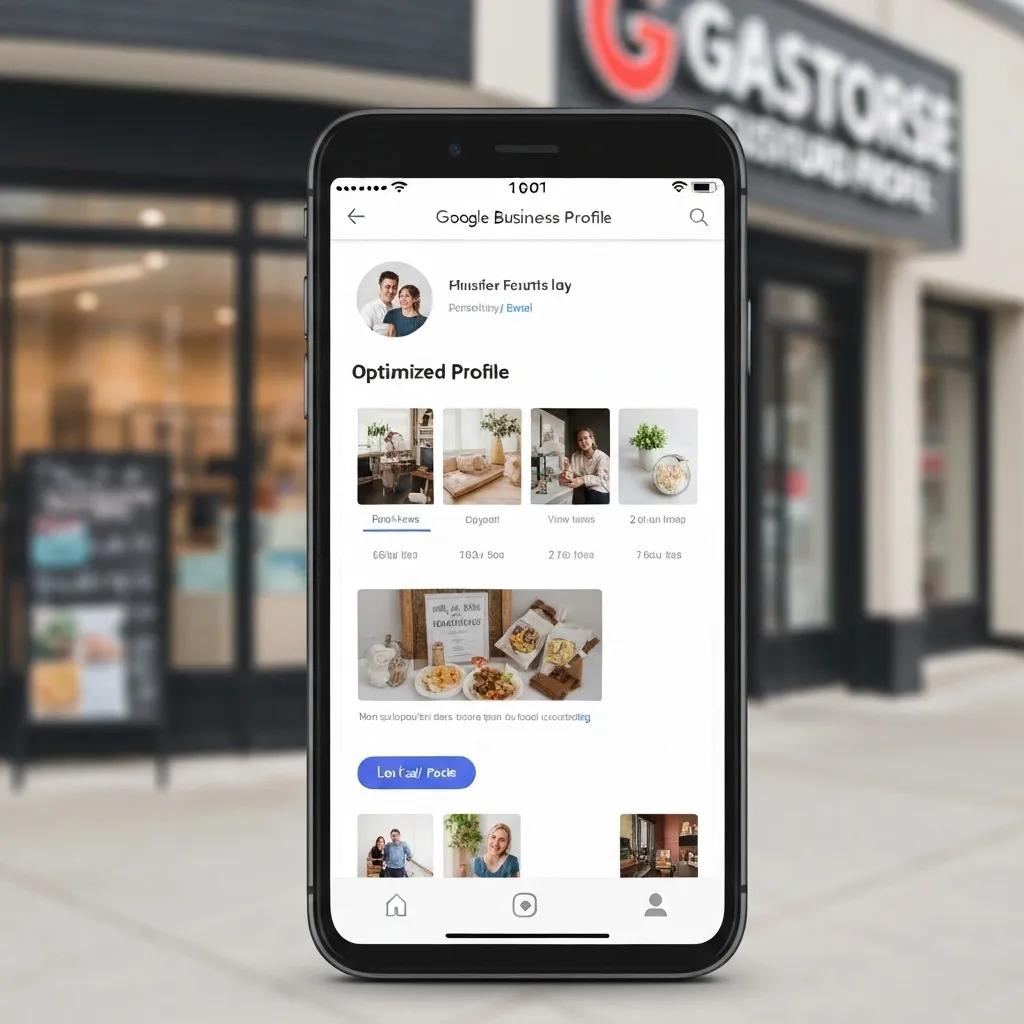
Optimizing Google Business Profile (GBP) ensures small businesses surface in local search and maps results, transforming profile views into tangible actions like calls and visits. By leveraging GBP posts, photos, and service listings, businesses can showcase timely offers and expertise, directly influencing local pack visibility.
As part of an integrated local SEO approach, many small businesses complement GBP optimization with professional SEO services that refine keywords, structure, and citations for maximum impact.
What Are the Steps to Claim and Verify Your Google Business Profile?
- Sign in to Google Business Profile Manager with your Google account.
- Enter your business name and address to locate or create a profile.
- Choose the verification method (postcard, phone, email) and complete verification.
- Confirm your business hours, categories, and contact details for accuracy.
Completing these steps secures your local presence and unlocks advanced content features.
How Do You Optimize Google Business Profile Posts, Photos, and Services for Local Search?
- Use concise, benefit-driven language in GBP posts, integrating local keywords (e.g., “Brooklyn brunch specials”).
- Upload high-quality images of your storefront, products, and team to strengthen visual appeal.
- List all services with clear descriptions, pricing, and local relevance to match searcher intent.
Optimizing these assets enhances click-through rates and positions your profile above competitors in the local pack.
How Should Small Businesses Manage Reviews and Q&A on Google Business Profile?
- Proactively solicit reviews by asking satisfied customers in person or via follow-up emails.
- Respond to each review promptly and professionally to demonstrate responsiveness.
- Monitor the Q&A section and supply clear, accurate answers to common inquiries—preventing misinformation and showcasing expertise.
Active reputation management signals authority and relevance to both users and search algorithms.
What Are Effective Local Keyword Research Techniques and Content Ideas for Small Businesses?

Identifying high-value local search terms and pairing them with compelling content ideas allows small businesses to capture neighborhood interest and search volume. Structured planning ensures each piece of content serves both audience needs and SEO objectives.
For a holistic approach, explore our Digital Marketing Services that integrate keyword insights across paid campaigns and organic channels.
How Do You Identify Local Search Terms That Drive Traffic?
- Use Google Keyword Planner to filter by city or radius around your location.
- Analyze “related searches” and “people also ask” for neighborhood-specific queries.
- Review competitor websites and GBP profiles to uncover overlooked terms.
- Survey your existing customer base about how they found you online.
These methods uncover targeted phrases that convert local intent into visits and calls.
What Content Ideas Work Best for Different Local Business Types?
How Can Local Events and News Be Used to Create Relevant Content?
- Publishing event previews, recaps, and community interviews showcases active involvement.
- Sharing timely coverage of local news demonstrates “on-the-ground” expertise.
- Collaborating with event organizers for guest posts or video interviews expands reach to engaged audiences.
Leveraging real-time happenings positions your brand as a trusted local resource.
How Do You Create Engaging and Relevant Localized Content for Small Business Audiences?
Creating localized content involves adapting topics, tone, and formats to match neighborhood preferences and behaviors. By weaving in recognizable landmarks, cultural notes, and resident stories, businesses can deliver experiences that feel personal and memorable.
Our Social Media Management Services help amplify these efforts with platform-specific strategies and community engagement tactics.
What Are Best Practices for Crafting Local Blog Posts and Articles?
- Start with a compelling local hook—such as an upcoming event or seasonal tradition.
- Use geo-modifiers in titles and headers (city names, neighborhood nicknames).
- Incorporate quotes or anecdotes from local customers or partners.
- End with a clear local call to action (visit your nearby location, RSVP to an event).
These practices ensure each blog post serves both reader interest and search visibility.
How Can Small Businesses Develop Local Social Media Content Including Video and Images?
- Film short, behind-the-scenes clips at community gatherings or in-store events.
- Create location-tagged photo albums highlighting neighborhood landmarks with your products.
- Use Instagram Stories or Facebook Live to host local Q&A sessions or product demos.
Rich media generates higher engagement and shares within community networks.
How Does User-Generated Content and Local Testimonials Boost Trust?
Encouraging customers to share photos, reviews, and success stories leverages social proof to reassure prospects. Featuring these testimonials across blog posts, GBP posts, and social feeds reinforces authenticity and drives trust signals that search engines and local consumers reward.
What Are the Best Ways to Distribute and Promote Local Content to Attract Local Customers?
Effective distribution ensures your localized content reaches the right audience at the right time—through SEO, social channels, email, and strategic partnerships. Each channel amplifies different aspects of your local narrative and drives measurable engagement.
Consider integrating these tactics into your broader strategy with Marketing Management Services for seamless coordination across paid and organic outreach.
How Can Local SEO Link Building Improve Content Visibility?
Securing backlinks from neighborhood blogs, community organizations, and local directories signals geographic authority. By co-creating content with partners—such as guest posts or joint event pages—you earn relevant links that boost local search rankings and referral traffic.
What Social Media Promotion Tactics Work for Local Audiences?
- Use geotargeted ads on Facebook and Instagram to promote local events or offers.
- Tag local influencers and organizations to expand reach within community circles.
- Schedule posts during high-activity times (lunch hours for restaurants, after-work for fitness studios).
Tailored social outreach ensures your content appears in the feeds of genuinely interested locals.
How Can Email Marketing and Collaborations with Local Influencers Enhance Reach?
- Craft neighborhood-specific newsletters featuring upcoming workshops or special deals.
- Partner with micro-influencers—such as local food bloggers or community group leaders—to co-produce content and tap into their engaged followings.
- Joint promotions with adjacent businesses (coffee shop + bookstore) cross-pollinate audiences and drive mutual growth.
How Can Small Businesses Measure the Success and ROI of Their Local Content Marketing Efforts?
Measuring outcomes validates your content investments by revealing which efforts drive visibility, engagement, and conversions within your target area. Data-driven insights guide ongoing optimization and budgeting decisions for sustained growth.
What Metrics Should Be Tracked for Local Search Rankings and Website Traffic?
- Local Pack Rankings – Monitor position changes for targeted “near me” queries.
- Organic Traffic by Location – Segment analytics by city or ZIP code to assess reach.
- Click-Through Rate (CTR) – Track impressions and clicks from GBP and organic results.
- Conversion Actions – Count calls, direction requests, form submissions linked to local pages.
By focusing on these KPIs, you can link content activities directly to local business outcomes.
How Do Google Business Profile Insights Help Evaluate Local Engagement?
GBP Insights reveal how often customers view your profile, request directions, call your business, or click your website link. These metrics quantify the real-world impact of your posts and photos, guiding which content formats and topics resonate strongest with local searchers.
What Tools Are Recommended for Monitoring Local Content Marketing Performance?
- Google Analytics 4 for geo-segmented traffic analysis.
- Google Search Console to track search queries and “people also ask” trends.
- BrightLocal or Whitespark for citation audits and local pack rank tracking.
- SEMrush or Ahrefs for monitoring backlinks and keyword visibility.
What Are Common Questions Small Businesses Have About Local Content Marketing?
Many small-business owners wonder how to apply local content principles without overwhelming resources. Key concerns include distinguishing local strategies from general marketing, leveraging Google Business Profile effectively, finding practical content examples, and selecting the best tactical mix. Understanding these questions helps you prioritize efforts that yield the highest local impact.
What Is Local Content Marketing and How Does It Differ from General Content Marketing?
Local Content Marketing zeroes in on geographic relevance—using neighborhood-specific keywords, cultural touchpoints, and community events—whereas general Content Marketing targets broader audiences with industry or product themes. This localized approach ensures higher intent alignment for searchers seeking nearby solutions and drives more actionable outcomes like store visits or calls.
How Can Small Businesses Use Google Business Profile to Publish Local Content?
Small businesses can publish GBP posts highlighting local news, limited-time offers, and event invitations. Each update appears in map results and search panels, directly exposing your content to users exploring local options. By incorporating descriptive copy and images, you guide searchers from discovery to action without leaving the Google ecosystem.
What Are Examples of Effective Local Content for Small Businesses?
- A restaurant blogging about “Top 5 Alley-way Murals to Explore Before Dining.”
- A real estate agent sharing “Monthly Housing Market Snapshot for Uptown District.”
- A fitness studio producing “Community 5K Training Tips” timed with a local charity run.
How Do Small Businesses Choose the Best Local SEO Content Strategies?
Prioritize strategies based on where your customers engage most—whether that’s Google Business Profile, social platforms, or community blogs. Start with foundational SEO (site optimization and KBP) and layer on hyperlocal storytelling once rankings stabilize. Regularly review performance data to shift focus toward the tactics delivering the strongest local ROI.
Local Content Marketing arms small businesses with a precision toolkit for attracting and engaging neighborhood customers. By defining your audience, optimizing profiles, researching hyper-targeted keywords, crafting community-driven content, distributing through the right channels, and measuring impact with local metrics, you establish a sustainable advantage in your market. Ready to elevate your local presence? Partner with ConnectBoost to transform these strategies into tangible growth for your business.