


As we look ahead to 2026, it’s clear that marketing strategies will play a key role in business growth. Studies show that companies with aligned sales and marketing teams grow 19-20% faster.
To outdo the competition, businesses need to use proven marketing strategies. For a personalized marketing plan, call (435) 292-6678.
Key Takeaways
- Aligning sales and marketing teams can lead to 19-20% faster business growth.
- Proven marketing strategies are crucial for business success in 2026.
- Personalized consultation can help develop effective marketing plans.
- Businesses must adapt to the latest marketing trends to stay competitive.
- Expert guidance is available to help businesses achieve their growth goals.
The Evolving Marketing Landscape
How people interact with brands is changing fast. This is thanks to new digital tools and changing values. Marketers need to keep up to stay relevant.
Key Shifts in Consumer Behavior
Consumer behavior is getting more complex. 81% of B2B buyers choose their vendor before talking to sales. This shows how crucial digital customer journeys are.
Digital-First Customer Journeys
Today’s shoppers want smooth digital experiences. Marketers must focus on omnichannel engagement to meet these needs.
Values-Based Purchasing Decisions
More people are making choices based on values. Brands need to show they care about social and environmental issues.
| Key Shift | Impact on Marketing |
|---|---|
| Digital-First Customer Journeys | Requires omnichannel engagement strategies |
| Values-Based Purchasing Decisions | Demands brand transparency and social responsibility |
Marketers can create effective strategies by understanding these changes. This way, they can better connect with consumers.
Marketing for 2026: Data-Driven Predictions and Trends
Data-driven predictions are changing how we market, giving us a peek into the future. As we look to 2026, knowing these trends is key for making smart marketing plans.
Industry Forecasts and Expert Insights
The B2B SaaS industry is set to hit $1 trillion by 2030, thanks to cloud-based solutions. Experts say we’ll see a big move towards more personal and interactive marketing.
Market Research Findings
Recent studies show data analytics is becoming more important in marketing. Companies using data analytics see better customer engagement and more sales.
Competitive Analysis Frameworks
To keep up, marketers need strong competitive analysis tools. These tools help understand the market and find growth chances.
| Trend | Impact | Strategy |
|---|---|---|
| Personalization | Higher customer engagement | Use data analytics to tailor marketing messages |
| Interactive Content | Increased user interaction | Develop immersive content experiences |
| Data-Driven Decisions | Improved ROI | Leverage data analytics for decision-making |
By grasping and using these data-driven insights, marketers can craft plans that boost business growth. They’ll also stay ahead of the competition.
AI-Powered Marketing Automation
AI-powered marketing automation is key in today’s marketing world. It lets businesses offer personalization like never before. Marketers use AI to automate tasks, engage customers better, and boost sales.
Hyper-Personalization at Scale
Hyper-personalization means making marketing fit each customer’s likes and actions. AI-powered marketing automation makes this possible by looking at lots of customer data. It finds patterns and guesses what customers might do next.
Customer Segmentation Evolution
Old ways of dividing customers are being replaced by smarter AI methods. These new ways do real-time segmentation based on how customers act and what they like. This makes sure marketing is always on point and aimed at the right people.
Real-Time Content Adaptation
AI also helps with real-time content adaptation. It changes content based on how customers interact with it. This means customers get content that really speaks to them, making their experience better.
To learn more about content marketing’s evolution, check out ConnectBoost. They share the latest trends that are changing the game for brands.

Immersive Technologies in Customer Engagement
Immersive technologies like AR and VR are changing how brands talk to customers. They make experiences more personal and memorable. As companies try to connect better with their customers, using these technologies is key.
AR/VR Marketing Applications
AR/VR marketing is making customer experiences more interactive and innovative. A report by Fortune Business Insights shows the market is growing fast. This is thanks to better AR and VR tech.
Virtual Product Experiences
Virtual product experiences let customers try out products online. This helps them understand and connect with the product better. It can also make customers happier and reduce returns.
Location-Based AR Campaigns
Location-based AR campaigns offer unique experiences based on where you are. They give customers timely and relevant info. This is great for retail and tourism.
Using immersive tech, businesses can make engaging and memorable customer experiences. This builds loyalty and keeps customers coming back. As tech improves, we’ll see even more cool uses of AR and VR in marketing.
Voice and Conversational Marketing
The rise of voice search is changing how businesses market themselves. Now, 40% of adults use voice search every day. Marketers must keep up with this trend to stay ahead.
Optimizing for Voice Search
To catch voice-driven queries, businesses need to use natural language and long-tail keywords. These should match how people speak.
Natural Language Processing Integration
Adding Natural Language Processing (NLP) to marketing strategies helps businesses understand voice queries better. NLP lets them analyze customer intent and give more precise answers.
Voice-First Content Development
Creating content for voice search is key to engaging with your audience. This means making conversational content like audio and video for voice search.
| Voice Search Optimization Techniques | Description | Benefits |
|---|---|---|
| Using Natural Language | Mirror how people speak in queries | Improved search rankings |
| Long-Tail Keywords | More specific search queries | Better targeting |
| NLP Integration | Analyzing customer intent | More accurate responses |
By diving into voice and conversational marketing, businesses can improve customer interaction. They can also stay competitive in the market.
Sustainable and Purpose-Driven Marketing
More and more, people want to buy things that are good for the planet. This has led businesses to focus on marketing that’s kind to the environment. They’re making products and services that are better for our planet.
Environmental Sustainability as a Marketing Advantage
Now, companies are using being green as a way to stand out. By choosing sustainable marketing, they can make their brand look better. This attracts people who care about the environment.
Carbon-Neutral Marketing Campaigns
One smart move is to make marketing campaigns that don’t harm the environment. This means checking how marketing affects the planet and then making it right. For example, companies can work with groups that help the environment.
Sustainable Supply Chain Messaging
Another good idea is to talk about how products are made in a way that’s good for the planet. By showing they care about the environment, businesses can gain trust. 75% of millennials are willing to pay more for sustainable products, which is a big plus.
To find out more about how marketing is changing, check out our article on content marketing trends.
Privacy-First Marketing Strategies
Businesses are now focusing on privacy-first marketing to win customer trust. This change comes from stricter rules and people’s growing worries about their data.
First-Party Data Collection and Utilization
First-party data is key in privacy-first marketing. It lets companies make experiences that feel personal. And they do it while following data protection laws.
Value Exchange Models
Value exchange models help customers share their data. They give something back in return, making it a win-win situation.
Customer Data Platforms (CDPs)
CDPs are essential for handling first-party data. They help businesses put together a complete picture of their customers. This makes marketing more effective.
| Key Components | Description | Benefits |
|---|---|---|
| First-Party Data | Data collected directly from customers | Enhanced personalization, compliance with regulations |
| Value Exchange Models | Offering benefits in exchange for customer data | Increased customer engagement, trust |
| Customer Data Platforms (CDPs) | Tools for managing customer data | Unified customer profiles, improved marketing effectiveness |
Implementing privacy-first marketing strategies is more than just following rules. It’s a chance for businesses to grow. By focusing on data privacy and being open, companies can create stronger bonds with their customers.
Content Marketing Transformation
Content marketing is changing fast with interactive and dynamic content. This change is because we need more engaging and personal marketing.
Interactive and Dynamic Content Formats
Interactive content formats are changing how brands talk to their audience. They grab attention and give us numbers to show how well they work.
Personalized Video Marketing
Personalized video marketing leads this change. Videos made just for each person can really boost how much viewers care. The big wins are:
- More people stick around to watch
- They remember the brand better
- It makes customers feel special
Interactive Infographics and Tools
Interactive infographics and tools help people get into the content. They make hard stuff easy to understand and remember.
Using interactive and dynamic content is not just a trend. It’s a must for marketers to keep up. These formats help brands make deeper and longer-lasting connections with people.
Social Commerce and Integrated Shopping Experiences
Social commerce is now key for marketers, making shopping easy on social platforms. It changes how businesses talk to customers. Now, people can buy things right from their favorite social media apps.
Seamless Integration Strategies
Social platform shopping is central to social commerce. Businesses can tag products in their posts and stories. This makes shopping smoother and boosts chances of buying on impulse.
Live Shopping Events
Live shopping events are a big deal in social commerce. Brands show products live, talk to customers, and offer deals that expire soon. These events boost engagement and sales.
User-Generated Content Commerce
User-generated content commerce is also important. It lets customers share photos or videos of them using products. This builds a community and shows products in real use. It’s great for marketing.
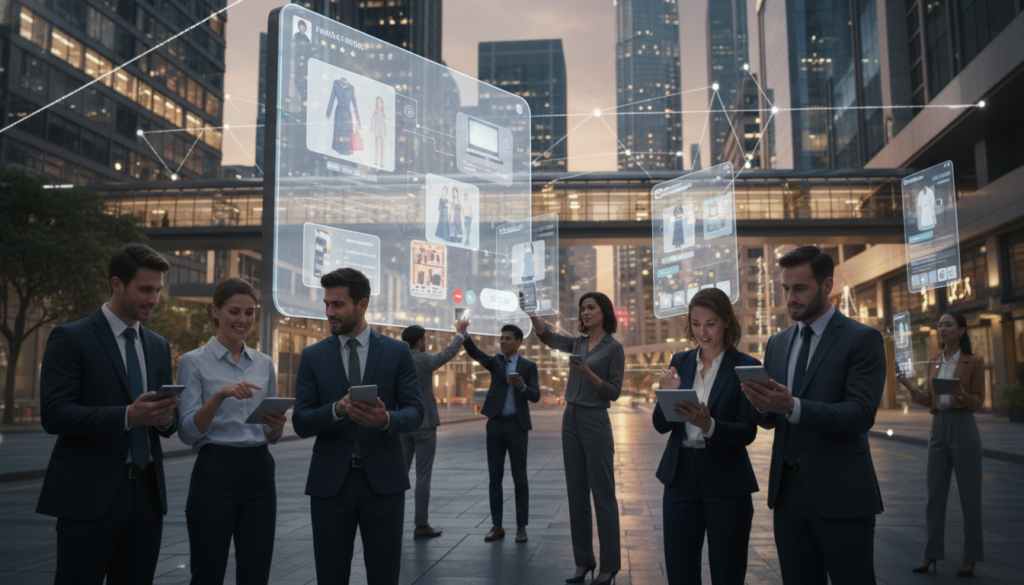
Using social commerce, businesses can offer better shopping experiences. As social media grows, social commerce will play a bigger role in marketing.
Customer Experience Orchestration
In today’s market, making customer experience a priority is key for businesses to grow. Companies that focus on customer experience see big revenue boosts. This makes it a top area for businesses to focus on in 2026.
Omnichannel Experience Management
Omnichannel experience management is vital for customer experience. It means making the experience smooth across all touchpoints. This includes online browsing and in-store purchases.
Journey Mapping and Optimization
Journey mapping helps understand the customer’s path and find ways to improve. By optimizing the customer journey, businesses can make customers happier and more loyal.
Cross-Channel Consistency
Being consistent across all channels is crucial for a good customer experience. Keeping messaging, branding, and service quality the same across all channels builds trust. It also strengthens the brand identity.
Cost-Effective Digital Marketing Approaches
For small businesses, finding affordable digital marketing strategies is important. Local SEO and micro-influencer partnerships are great because they offer good value without the high costs of traditional marketing.
Local SEO and Discoverability
Local SEO helps businesses show up in local search results. This makes it easier for customers to find them. To optimize for local SEO, businesses should claim and optimize Google My Business listings and ensure they are consistent in local directories.
Micro-Influencer Partnerships
Micro-influencer partnerships are a cost-effective way for small businesses to reach niche audiences. These partnerships can increase engagement and drive conversions.
| Strategy | Benefits | ROI Potential |
|---|---|---|
| Omnichannel Experience | Enhanced Customer Satisfaction, Increased Loyalty | High |
| Local SEO | Increased Local Visibility, Targeted Traffic | Medium-High |
| Micro-Influencer Partnerships | Niche Audience Reach, Cost-Effective | Medium |
Conclusion: Preparing Your Business for Marketing Success
As the marketing world keeps changing, businesses need to keep up. Those that adapt well are more likely to grow and meet their marketing targets. Using smart 2026 marketing strategies will be key.
Knowing what your audience likes and does can help a lot. Using sites like Facebook, Instagram, TikTok, and LinkedIn can also boost your marketing. For tips on using social media well, check out ConnectBoost.
To succeed in marketing, stay updated on new trends and tech. This includes AI, immersive tech, and social commerce. This way, you can grow your business and stay ahead in a fast-changing market.